Martyn’s Law & Event Safety Planning: UK Regulatory Compliance Guide
An operational breakdown of the Terrorism (Protection of Premises) Act. Learn how venue managers and event organizers must prepare for capacity tiers, SIA inspections, staff counter-terrorism training, and emergency response protocols.
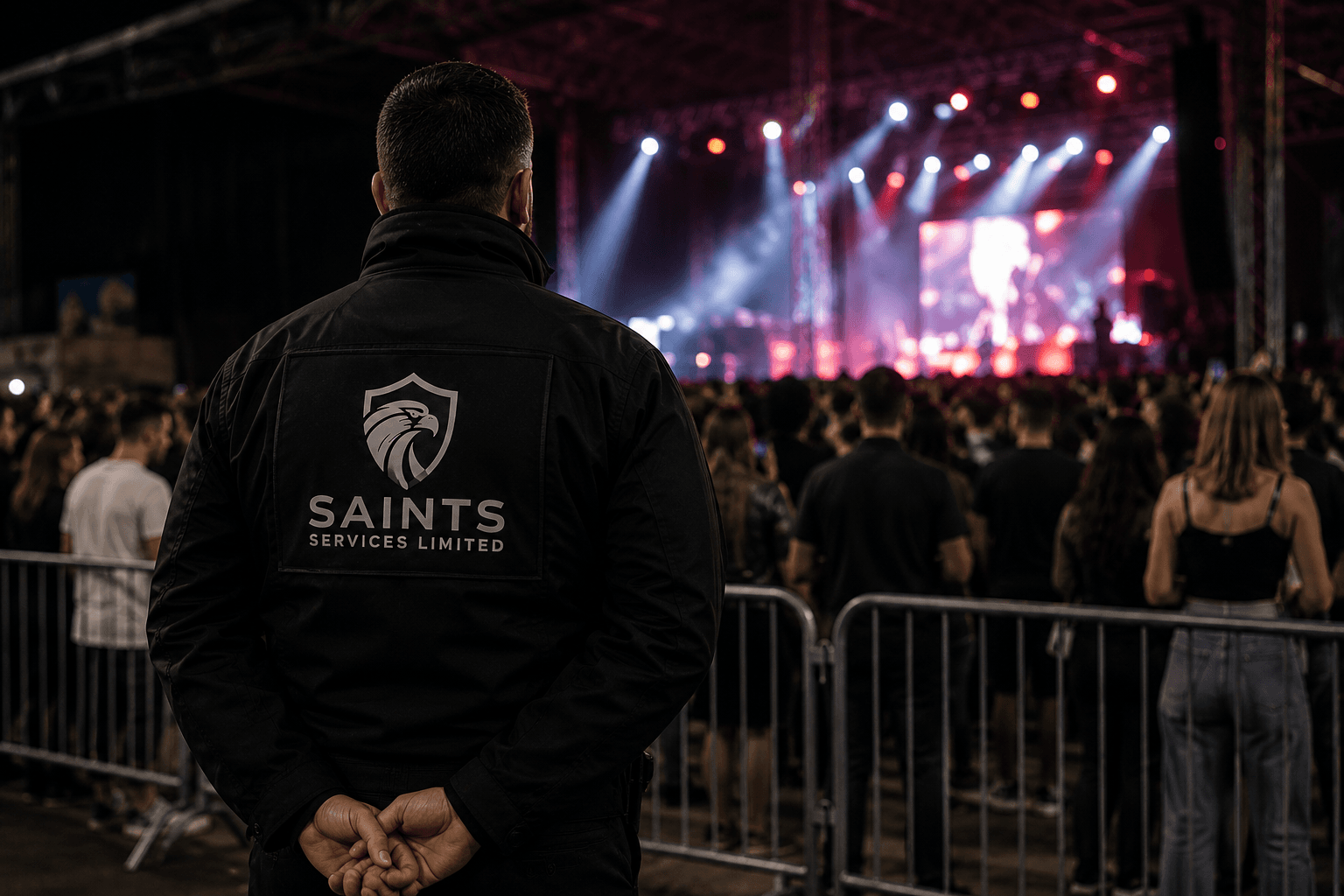
Martyn’s Law represents the most significant statutory change to UK event safety and public venue management in a generation. Venue operators must transition from voluntary guidance to enforceable counter-terrorism readiness.
1. Overview of the Terrorism (Protection of Premises) Act
Enacted following years of dedicated campaigning by Figen Murray—mother of Martyn Hett, who tragically lost his life in the 2017 Manchester Arena attack—the Terrorism (Protection of Premises) Act legally mandates that public venue operators take active steps to mitigate terrorist risks.
The legislation applies across England, Wales, Scotland, and Northern Ireland, targeting premises used for retail, hospitality, entertainment, education, sports, and public gatherings. Designed to ensure venues are prepared to act swiftly during emergency incidents, the law places statutory accountability directly onto designated responsible persons.
2. Standard Tier vs. Enhanced Tier Breakdown
The Act divides qualifying premises and regulated public events into two distinct statutory tiers based on maximum spectator or visitor capacity:
Standard Duty Tier
Focuses on low-cost procedural preparedness. Operators must register with the SIA regulator, establish clear evacuation/lockdown plans, and ensure staff undergo basic counter-terrorism awareness briefing. Physical security alterations are not mandatory.
Enhanced Duty Tier
Applies to major stadiums, arenas, festivals, and large venues. Operators must execute comprehensive risk evaluations, deploy physical mitigation (e.g., SIA turnstile searching, CCTV, vehicle barriers), and appoint a designated compliance director.
3. 5 Pillars of Venue Security Compliance
To maintain audit compliance, event organizers and premises controllers must embed five fundamental operational pillars into daily operations:
1. Capacity Assessment & Tier Categorization
Evaluating maximum venue capacities (including staff and visitors) to establish statutory obligations under either the Standard Tier (200–799 capacity) or Enhanced Tier (800+ capacity).
2. Procedural Emergency Protocols (Guide, Shelter, Communicate)
Developing structured, rehearsed operational plans for rapid public Evacuation, internal safe-room Invacuation, total perimeter Lockdown, and emergency public announcements.
3. Mandatory Staff ACT Counter-Terrorism Training
Ensuring all on-duty managers, venue staff, and SIA door supervisors complete official Action Counters Terrorism (ACT) e-learning modules prior to event execution.
4. Enhanced Physical Vulnerability Assessments
For 800+ capacity venues, executing documented risk evaluations that integrate entry search arches, bag check protocols, CCTV monitoring, and vehicle barrier checks.
5. SIA Regulatory Inspection Readiness
Maintaining up-to-date documentation for Security Industry Authority (SIA) audits to prevent compliance notices, event restrictions, or severe financial penalties.
Planning a High-Capacity Event?
Saints Services Ltd provides SIA door supervisors, turnstile search teams, and counter-terrorism crowd stewards fully aligned with Martyn's Law compliance.
4. Executing Evacuation, Invacuation & Lockdown
Central to statutory compliance is establishing documented, practiced protocols based on the National Counter Terrorism Security Office (NaCTSO) guidelines:
Evacuation
Directing crowds swiftly away from external or internal threats using designated primary and secondary emergency exits.
Invacuation
Moving crowds into protected internal zones when external hazards make exiting onto public streets dangerous.
Lockdown
Securing physical perimeter doors, shutter systems, and access gates to prevent hostile entry into crowded concourses.
5. SIA Regulatory Oversight & Sanctions
The government has officially appointed the Security Industry Authority (SIA) as the regulatory body responsible for inspecting venues and enforcing compliance.
The SIA holds statutory powers to inspect premises, issue binding improvement notices, restrict event operations, and impose significant civil financial penalties—up to £18 million or 5% of global turnover for major Enhanced Tier infractions.
6. Deploying SIA Event Security Officers
While venue managers hold legal responsibility, deploying qualified event security teams fulfills critical physical requirements.
SIA-licensed officers execute archway metal detection, search bag entry lanes, monitor CCTV feeds, and lead crowd evacuation maneuvers during emergency alerts.
Explore our wider event and venue security capabilities including door supervision and manned guarding.
Who enforces Martyn's Law compliance in the UK?
The Security Industry Authority (SIA) has been designated as the statutory regulator responsible for inspecting venues, issuing compliance notices, and levying financial penalties.
What capacity threshold triggers Enhanced Tier obligations?
Premises and regulated public events with a maximum capacity of 800 or more people fall under the Enhanced Tier, requiring detailed risk assessments and physical counter-terrorism measures.
Are venue staff required to complete counter-terrorism training?
Yes. Staff and security personnel operating at qualifying premises must complete recognized counter-terrorism awareness training, such as the official Action Counters Terrorism (ACT) e-learning program.
- UK Parliament: Terrorism (Protection of Premises) Act 2025/2026 Statutory Text
- Home Office & ProtectUK: Martyn's Law Guidance & Factsheets
- Security Industry Authority (SIA): Regulatory Role & Inspection Framework